
Using a hunting blind transport system improves setup efficiency and field stability. Proper handling reduces loading and transport mistakes, such as uneven weight distribution or insecure tie-downs, that can compromise stability in the field.
Partner with a Payer reveals that regulated hunting is enjoyed by 14 million people in the U.S. every year. Having the right setup can make or break the success of your hunting adventure.
If you’re looking for a hunting setup improvement, focusing on reliable transport and secure installation methods can help prevent five common field errors and improve overall safety.
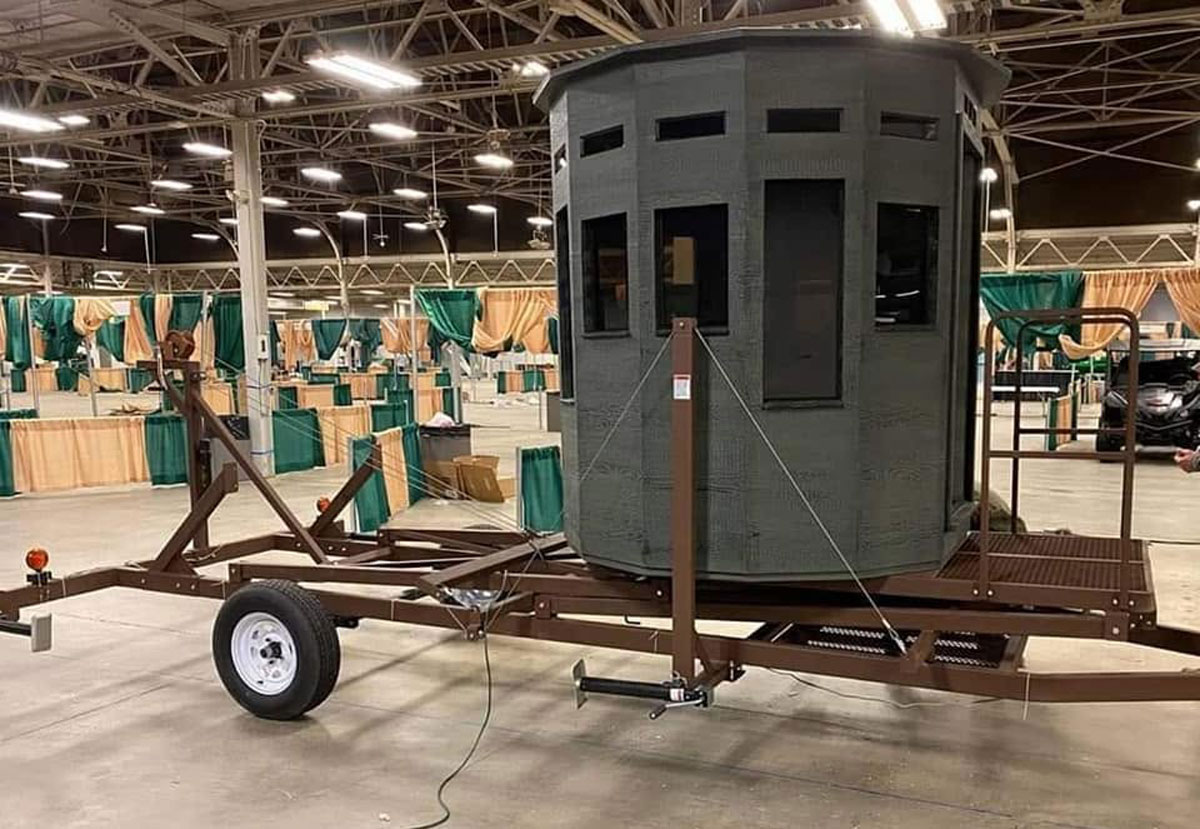
What Are the Most Common Mistakes to Avoid When Using a Hunting Blind Transport System?
A hunting blind transport system plays a key role in moving and positioning heavy equipment safely in the field. Ammo.com reports that 80% of hunting accidents are human error.
Small handling errors during loading or transport can lead to instability and equipment damage. Understanding the five most common mistakes helps improve safety and overall performance in the field.
1. Ignoring Weight Limits and Load Ratings
Ignoring weight limits and load ratings places excessive stress on the transport system. Doing so leads to structural failure.
Overloading also reduces stability during movement. It increases the risk of tipping or shifting in the field.
Respecting manufacturer specifications helps maintain safe operation and extends equipment lifespan. Proper load management ensures consistent performance.
This reduces the likelihood of costly damage or unsafe handling conditions over time.
2. Skipping Proper Load Balancing
Skipping proper load balancing creates uneven weight distribution. It can cause swaying or instability during transport.
This imbalance increases the risk of tipping, especially on rough or sloped terrain. Balanced loading helps maintain control and improves overall safety in the field.
Ensuring even weight placement across the system also reduces strain on key components. Supporting smoother movement enables more reliable performance throughout transport and setup.
3. Using Inadequate Tie-Down Points
Using inadequate tie-down points allows the blind or equipment to shift during transport.
Movement increases the risk of damage and creates unsafe handling conditions in the field. Weak or poorly placed anchors can fail under pressure, especially on uneven terrain.
Utilizing secure, properly rated tie-down points helps maintain control and stability. Proper anchoring reduces the chance of accidents during loading and transport.
4. Overlooking Terrain Compatibility
Overlooking terrain compatibility reduces the effectiveness of a hunting blind transport system. Systems not matched to terrain conditions may struggle on surfaces like:
- Mud
- Snow
- Steep ground
- Loose gravel
- Wet grass
- Frozen ground
Strain on the equipment can occur. This increases the risk of delays and instability.
Choosing a system designed for specific environments improves control and reliability. Proper terrain matching supports smoother movement and safer deployment in challenging outdoor conditions.
5. Neglecting Routine Inspection and Maintenance
Neglecting routine inspection and maintenance increases the likelihood of hidden wear going unnoticed.
Loose hardware or weakened welds can lead to sudden failure during transport. Conducting regular checks helps identify issues early and prevent costly damage or unsafe operation.
Consistent maintenance improves reliability and extends equipment lifespan. Proper upkeep ensures the system performs safely and efficiently over time.
What Risks Increase When a Hunting Blind Transport System Is Used Incorrectly?
Using a hunting blind transport system incorrectly increases the likelihood of costly repairs in the field. Unexpected downtime during critical use also becomes more likely.
Extended periods of misuse can shorten overall equipment lifespan and reduce long-term reliability. Prioritizing proper operation helps preserve system value.
Consistent performance across hunting seasons is maintained. It reduces the need for frequent replacements or major maintenance interventions over time.
What Operational Mistakes Lead to Hunting Blind Transport System Failure in the Field?
Operational mistakes often stem from rushed setup and poor decision-making in the field. Incomplete preparation can lead to missed steps that compromise overall system performance.
Incorrect assembly order may reduce structural integrity during transport. Careful adherence to setup procedures improves consistency and reliability.
Following established protocols helps ensure the system functions as intended.
How Do You Know When a Hunting Blind Transport System Is No Longer Safe to Use?
Unruled Outdoor Agency found that 12.7% of people hunt 30 or more days per year. Visible wear and recurring performance issues often indicate that a prolonged use hunting blind transport system is no longer safe for operation.
Check for signs like:
- Cracked welds
- Bent components
- Weakened connections
- Excessive rust
- Corrosion
Difficulty maintaining stable movement may signal deeper mechanical problems. Frequent repairs can also indicate declining dependability.
Replacing worn systems before major failure occurs helps support safer operation.
Frequently Asked Questions
How Often Should a Hunting Blind Transport System Be Serviced or Checked?
A hunting blind transport system should be checked before each season and after extended field use.
Systems exposed to rough terrain or heavy hauling may require more frequent servicing. Seasonal inspections help maintain dependable operation throughout changing weather and ground conditions.
Consistent service supports better preparation for transport and deployment.
What Features Improve the Longevity of a Hunting Blind Transport System?
Look for heavy-duty construction and corrosion-resistant materials. Sturdy hunting materials help improve the longevity of a hunting blind.
Reinforced frames provide added durability during repeated field use. Quality suspension components and dependable wheel assemblies improve overall durability.
Adding protective finishes also helps reduce long-term wear caused by outdoor exposure.
Can a Hunting Blind Transport System Be Used Across Different Blind Sizes and Weights?
Yes. Many hunting blind transport systems are designed with adjustable frames to accommodate different blind sizes and weights.
Compatibility depends on load capacity and structural design limits. Systems with flexible mounting options offer broader use across varied setups.
Matching equipment specifications ensures safer handling and more stable performance during transport and deployment.
Find Efficient Hunting Gear and Outdoor Hunting Advice at Keene Outdoors Today
Understanding the key factors that affect a hunting blind transport system helps improve safety and efficiency in the field. Proper handling reduces the risk of equipment damage during loading and transport. Consistent maintenance supports reliable performance.
Keene Outdoors is a family-owned and operated hunting company built on innovation, craftsmanship, and a deep love for the outdoors. All of our outdoor products are manufactured and assembled in the heart of America. We strive to deliver durable equipment that performs in demanding field conditions while supporting the safety of hunters.
Contact Keene Outdoors today with any questions or support needs.