
The best window height for deer blind setups usually places the bottom of the window between 34 and 40 inches above the floor for seated hunters. This range often provides a comfortable shooting position, better sight lines, and improved concealment, though the ideal measurement depends on hunter height, seating, terrain, and hunting equipment.
According to the U.S. Fish & Wildlife Service 11.5 million Americans participate in hunting each year. Have you ever spotted a deer too late because your view was blocked or your shooting angle felt awkward? A well-planned blind can improve visibility, reduce unnecessary movement, and create more comfortable shooting opportunities throughout the season.
Why Window Height Matters in a Deer Blind
The position of your blind windows has a direct effect on what you can see and how comfortably you can hunt. A poorly planned window height for deer blind design can limit shooting opportunities:
- Visibility versus concealment
- Shooting efficiency
- Reduced movement inside the blind
Visibility Versus Concealment
Good hunting blind visibility starts with a clear view of the surrounding area without exposing the hunter. If windows sit too low, seeing over grass, brush, or uneven terrain becomes difficult.
Windows placed too high can create awkward viewing angles and may expose movement inside the blind. Finding the right balance makes it easier to spot deer earlier and track their movements as they approach.
Shooting Efficiency
Window height affects how naturally a hunter can shoulder a rifle, position a shotgun, or prepare for a bow shot. An uncomfortable shooting angle can slow reaction time and reduce accuracy.
When the window aligns with a hunter’s seated position, aiming feels more natural and requires fewer adjustments. Many successful deer hunting strategies focus on reducing anything that creates delay when an opportunity appears.
Reduced Movement Inside the Blind
Deer often detect movement faster than hunters realize. Constantly leaning, standing, or shifting to see through a poorly positioned window increases the chance of being noticed.
A properly designed deer blind setup keeps sight lines comfortable from a seated position, reducing motion and making it easier to remain concealed throughout the hunt.
Determining the Ideal Window Height Based on Hunting Style
The ideal deer blind height isn’t determined by a single measurement. Hunting equipment, shooting position, and the number of hunters using the blind all influence where windows should be placed:
- Rifle hunting considerations
- Archery hunting considerations
- Multi-hunter setups
Rifle Hunting Considerations
Most rifle hunters spend long periods seated while watching food plots, fields, or travel corridors. Window placement should match the natural height of the hunter’s shoulder and firearm when seated.
A window that sits too high may require lifting the rifle into position, while one that’s too low can force awkward body movements. In many deer blind setup designs, rifle hunters benefit from windows that create a wide viewing area without requiring frequent repositioning.
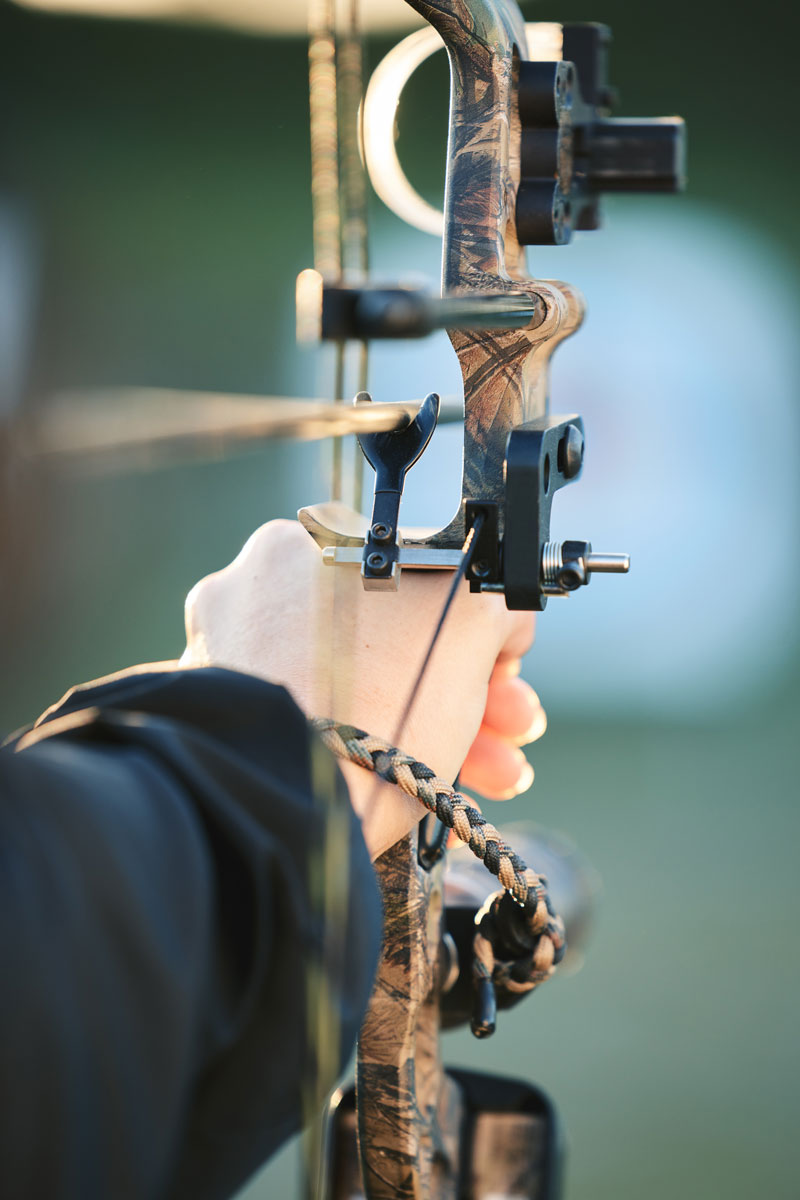
Archery Hunting Considerations
Bowhunters face different challenges. Drawing a bow requires additional vertical and horizontal space, so window height must account for the entire draw cycle.
Low windows may interfere with limb movement, especially inside compact blinds. Larger openings placed at a comfortable seated or standing height can create cleaner shot opportunities while keeping movement concealed from approaching deer.
Multi-Hunter Setups
Blinds used by family members or hunting partners often need greater flexibility. Hunters vary in height, seating preferences, and equipment choices.
Adjustable chairs, larger windows, or multiple window levels can accommodate different users without sacrificing hunting blind visibility. A design that works for several hunters often creates a more versatile and comfortable hunting environment throughout the season.
Choosing the Right Window Height for Deer Blind Placement
Many hunters begin by measuring from the floor to their eye level and shoulder height while seated in the chair they plan to use during hunts. A window that lines up with both viewing and shooting positions creates a more comfortable experience.
For many blinds, the ideal deer blind height places the bottom of the window between 34 and 40 inches above the floor. Exact measurements vary based on chair height, body size, and hunting equipment.
Accounting for Terrain Changes
Flat fields, rolling hills, and wooded areas create different sight lines. A blind overlooking a downhill food plot may require a different window position than one located in a flat clearing.
Before finalizing optimal window placement, it’s smart to sit inside the blind and evaluate actual viewing angles. Small adjustments can reveal more ground and reduce blocked views.
Avoiding Common Placement Mistakes
One of the most common mistakes is copying another hunter’s measurements without considering personal needs. Windows that are too high, too low, or too narrow can reduce visibility and create awkward shooting positions.
The best window height for deer blind design matches the hunter, the terrain, and the overall purpose of the blind.
Frequently Asked Questions
What Type of Window Works Best for Different Weather Conditions?
Different weather conditions can influence which window style works best in a deer blind setup. Sliding windows are popular because they open quietly and create minimal disturbance.
Hinged windows often seal more tightly against wind and rain, making them useful in colder climates. Fixed windows can maximize visibility but don’t provide ventilation. Hunters who face harsh winter conditions often choose insulated glass or tightly sealed window systems to reduce drafts and interior condensation.
What Is the Best Way to Reduce Window Noise Inside a Deer Blind?
Window noise often comes from loose hardware, rattling glass, or worn seals. Rubber weather stripping around window frames can reduce vibration and soften closing sounds.
Regular maintenance is equally important. Tightening screws, lubricating tracks, and replacing damaged seals can prevent unexpected noises during a hunt. Quiet windows complement many deer hunting strategies because deer can react quickly to unfamiliar sounds.
Better Deer Hunting Strategies
Choosing the right window height for deer blind design can improve visibility, comfort, concealment, and shooting efficiency.
At Keene Outdoors, we’re a family-owned company that designs, welds, and assembles every product in Iowa. Our patented Omega Lift changed the hunting industry by creating one of the first true mobile hunting tower systems, making blind transport faster, safer, and easier. Built from heavy-duty American steel, our platforms are made for long-term durability, mobility, and performance.
Get in touch today to find out how we can help with your blind needs!