
Choosing the right blind location can have a major impact on deer hunting success. The best locations are typically positioned near travel corridors, natural funnels, food sources, and other areas where deer movement is predictable, while also accounting for wind direction and scent control. The right deer hunting advice can help hunters identify high-traffic areas, understand deer behavior, and more.
According to the National Deer Association, 41% of deer hunters harvested at least one deer during a recent season. But have you ever spent hours in a blind only to watch deer appear just out of range or move through a different area altogether? A well-placed blind allows hunters to remain concealed, maintain clear shooting lanes, and increase opportunities for ethical shots.
Why Blind Location Matters for Deer Hunting Success
A blind is only effective if deer regularly pass within range. Deer tend to use familiar routes when traveling between bedding areas and feeding locations.
Placing a blind near these travel corridors increases the chances of seeing deer during legal shooting hours. Good deer hunting advice begins with understanding where deer already want to go rather than trying to draw them into a poorly chosen location.
Concealment and Visibility
The best blind location balances concealment with a clear view of the surrounding area. Thick cover may hide a hunter effectively, but it can also block visibility and shooting lanes.
On the other hand, an open area may expose movement inside the blind. Natural vegetation, terrain changes, and brush can break up the blind’s outline without limiting visibility.
Shot Opportunities
A well-positioned blind creates more ethical shot opportunities. Hunters need enough time to spot deer, judge distance, and prepare for a shot without being detected.
Poor placement can result in rushed shots, obstructed views, or deer appearing outside of effective range. Choosing the perfect blind location creates better angles, more reaction time, and a higher chance of a successful harvest.
Understanding Deer Travel Patterns Before Choosing a Blind
Successful blind location strategies begin long before opening day. Hunters who understand how deer move across a property can place blinds where activity naturally occurs rather than relying on luck:
- Travel corridors
- Funnels and pinch points
- Seasonal movement patterns
Travel Corridors
Deer rarely wander aimlessly through the woods. Most follow established routes between bedding cover and feeding areas. These travel corridors may appear as worn trails through timber, paths along field edges, or routes that follow creek bottoms.
Scouting for tracks, droppings, and visible trails can reveal where deer spend the most time. A blind placed near one of these routes often produces more sightings than a setup in a random location.
Funnels and Pinch Points
Natural terrain frequently concentrates deer movement into smaller areas. A funnel may form between thick cover and a steep hillside, while a pinch point could be a narrow strip of timber connecting two larger wooded sections.
Since deer tend to choose the path of least resistance, these locations can create predictable movement patterns. Many experienced hunters consider them among the most productive spots for a perfect blind location.
Seasonal Movement Patterns
Deer behavior changes throughout the season. Early-season deer often focus on food sources such as agricultural fields, acorns, or food plots. During the rut, bucks travel farther while searching for does and may appear in areas with little previous activity.
Late-season deer usually return to reliable food and cover. Adjusting blind placement to match these seasonal shifts is one of the most valuable deer hunting tips for improving hunting success.
Deer Hunting Advice for Selecting the Best Blind Location
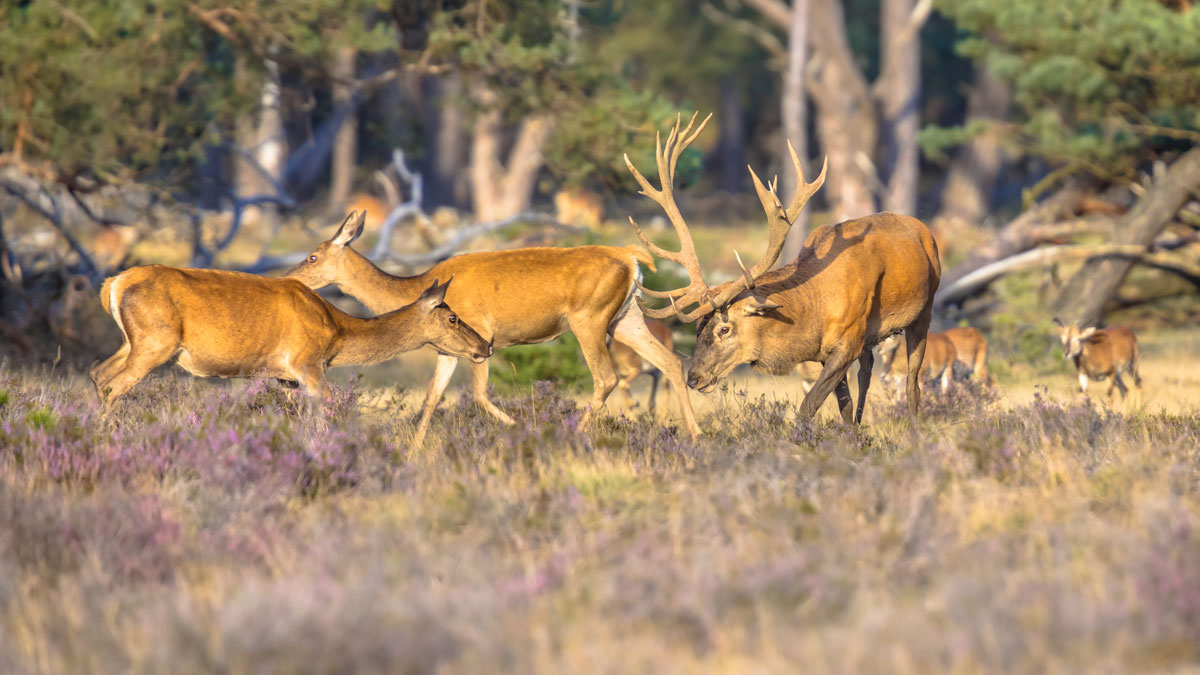
Food is one of the strongest influences on deer movement. Agricultural fields, food plots, mast-producing trees, and other feeding areas often attract deer during predictable times of day.
Positioning a blind near these locations can increase activity, but placing it directly on top of a feeding area may alert deer to human presence. Many blind location strategies focus on intercepting deer as they travel to or from food rather than hunting the food source itself.
Bedding Areas
Bedding areas are where deer spend much of the day resting and feeling secure. Deer approaching or leaving these locations are often alert, making close setups risky.
A better approach is to identify travel routes leading away from bedding cover and position a blind along those paths. This creates opportunities without disturbing the area deer depend on for security.
Terrain Features
Natural features often influence deer movement. Creek crossings, ridges, fence gaps, and narrow wooded strips can direct deer through specific locations. Hunters who recognize these features can narrow large areas into smaller, more predictable travel zones.
Shooting Lanes and Visibility
Even a high-traffic location can disappoint if brush, branches, or terrain block clear shots. A strong hunting blind setup combines concealment with visibility. Clear shooting lanes and multiple viewing angles create more time to spot approaching deer and prepare for a safe, ethical shot.
Frequently Asked Questions
How Early Should A Blind Be Placed Before Hunting Season?
Many hunters place permanent blinds several weeks or even months before the season begins. The extra time gives deer a chance to become familiar with the structure and treat it as part of the environment.
Portable blinds can be set up closer to hunting season, but earlier placement often reduces the chances of deer reacting cautiously to something new in their habitat.
Are Ground Blinds Or Elevated Blinds Better For Deer Hunting?
Neither option is automatically better. Ground blinds work well in areas with thick cover and can blend naturally into brush or timber.
Elevated blinds improve visibility over tall vegetation and may reduce scent concerns by raising the hunter above a deer’s normal line of detection. Terrain and hunting goals usually determine the better choice.
Hunting Success in 2026
Applying proven deer hunting advice can improve shot opportunities, reduce detection, and increase hunting success throughout the season.
At Keene Outdoors, we combine family values, American craftsmanship, and patented innovation to build hunting equipment hunters can trust. We introduced the Omega Lift, one of the first true mobile hunting tower systems in the U.S. Every product is designed, welded, and assembled in-house using American steel, backed by personal service from the same team that builds the equipment.
Get in touch today to find out how we can help with your blind needs!